Cooking for one
No-waste meals for one
Practical no-waste meals for one using ordinary UK ingredients, sensible portions and a calm plan for leftovers.
By the Susan Cooks editorial team · Last reviewed 9 September 2026
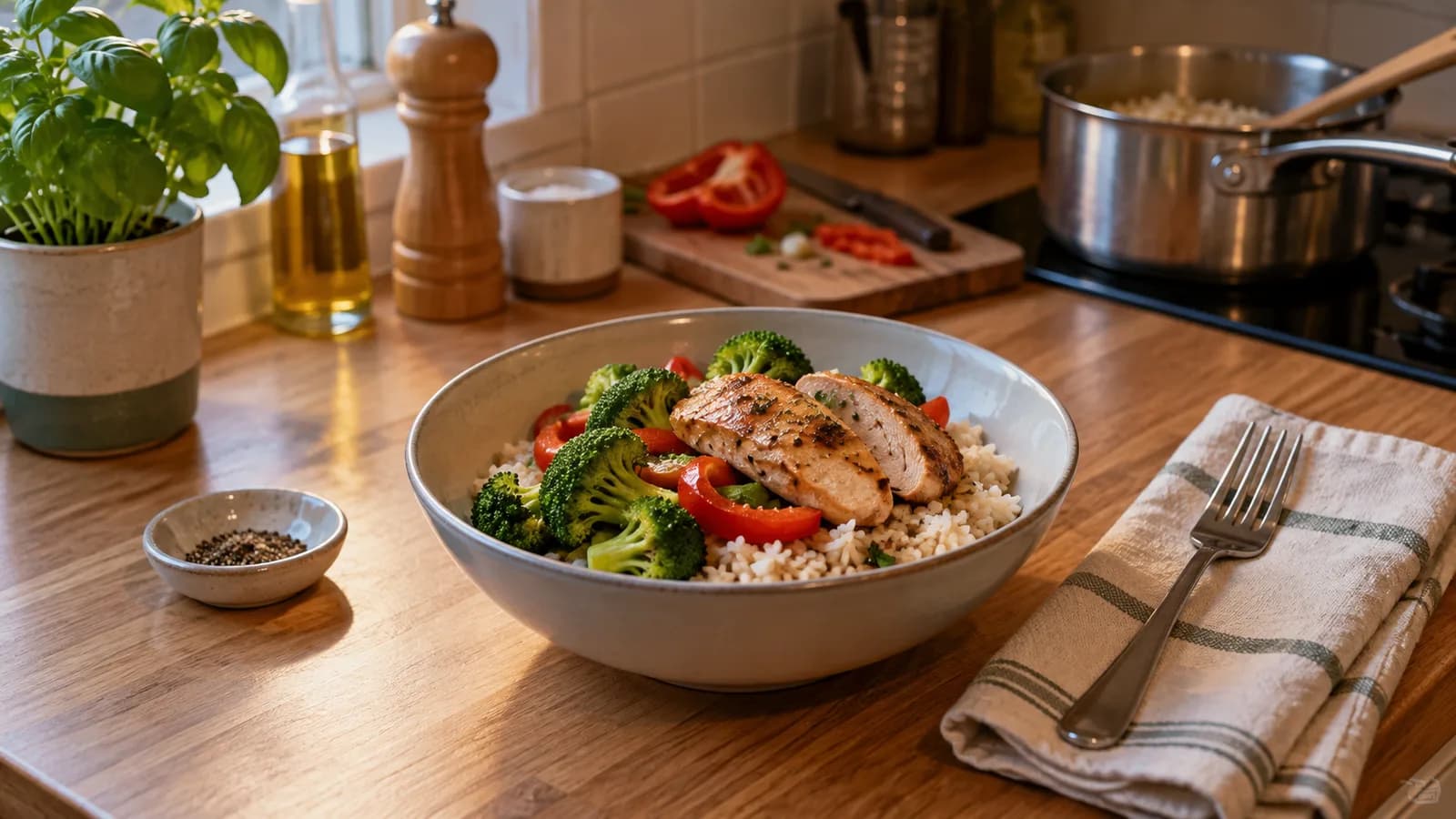
At a glance
Quick answer
Start with the ingredient that needs using first, then choose a flexible format rather than a rigid recipe. Useful starting ideas are vegetable fried rice, potato hash, frittata, tomato and chickpea soup. Keep the method simple and buy ingredients that can cross into another meal.
A simple no-waste meals for one framework
| Part of the meal | One-person amount | Flexible choices | Leftover plan |
|---|---|---|---|
| Main starch | 75g dry grain/pasta or 250g potato | Rice, pasta, couscous, potato | Cool and store a planned extra |
| Protein | 1 modest portion | Chicken, fish, egg, beans, lentils | Freeze pack extras promptly |
| Vegetables | 1–2 generous handfuls | Fresh, frozen or safely stored cooked | Use the most perishable first |
| Sauce or flavour | 2–8 tbsp, depending on type | Tomato, yoghurt, pesto, spices | Freeze tomato sauce in small tubs |
The direct way to plan dinner for one
For meals that deliberately use small leftovers and half-used ingredients while they are still safe and appealing, begin with the portion rather than shrinking a recipe designed for four. Pick one main ingredient, one vegetable and one source of flavour. Start with the ingredient that needs using first, then choose a flexible format rather than a rigid recipe.
Good options include vegetable fried rice, potato hash, frittata, tomato and chickpea soup. They are formats rather than strict recipes, so a small amount of spinach can become peas, a tin of chickpeas can become beans and yesterday’s roasted vegetables can replace fresh ones when they have been stored safely.
Build one useful plate
A practical one-person dinner needs enough substance to satisfy without creating three accidental leftovers. Start with one measured starch, one modest protein portion and one or two vegetables. Add a sauce or seasoning that you already enjoy instead of buying several one-use ingredients.
Plate the meal before returning packets to the cupboard. This makes the amount visible and avoids adding another handful simply because the saucepan looks empty. A compact pan and ordinary dinner plate help a one-person amount cook and look as intended.
Eight ideas to rotate
Use these as adaptable starting points: vegetable fried rice; potato hash; frittata; tomato and chickpea soup; an omelette with a small salad; soup with toast; a bean quesadilla; and a tray of vegetables with halloumi or an egg. Keep two fast ideas for tired evenings and two that deliberately use what is already open.
Rotation matters more than novelty. Repeating rice, tomatoes, onions or frozen vegetables across different formats gives variety without buying a separate shopping list for every dinner.
Shopping for a one-person kitchen
Buy ingredients by useful life rather than assuming the largest packet is best value. Frozen peas, spinach, mixed vegetables, fish fillets and individual chicken pieces make it easy to remove one portion. Tinned food is useful when the remaining half has a next meal or freezer plan.
Check the fridge before writing the list. Choose one ingredient that needs using first, two fresh vegetables that work in several meals, and a few dependable cupboard items. Leave some space in the plan so an unexpected leftover can replace a scheduled ingredient.
Equipment and pan size
The most useful equipment here is clear storage tubs, labels, a frying pan and a small saucepan. Small cookware is not decorative: it keeps sauces deep enough to simmer, reduces unnecessary evaporation and makes one portion easier to stir without burning.
You do not need miniature versions of everything. A standard medium frying pan gives ingredients room to brown, while a small saucepan suits grains and sauces. Use a tray only large enough to spread the food in one layer.
Cook once, eat twice—only when useful
A second portion can save time when tomorrow’s lunch is certain. It is not automatically efficient if it sits forgotten. Decide before cooking whether the extra will be chilled, frozen or packed for the next day, then prepare exactly two portions.
Keep crisp and wet components separate where possible. Store sauce apart from pasta, dressing apart from salad and toppings apart from rice. This makes the second meal feel deliberate rather than tired.
Storage, freezing and reheating
Cool cooked food promptly and refrigerate within two hours; rice should be cooled as quickly as possible, ideally within one hour. Use shallow covered containers and follow the recipe’s storage limit. Freeze spare portions early rather than on the final day in the fridge.
Reheat only the amount you will eat and heat it until steaming hot throughout. Stir microwave-heated food so cold spots cannot hide. Some foods—particularly crisp potatoes and breaded items—recover better in an oven or air fryer, while sauces benefit from a small splash of water.
Common mistakes
Common problems are buying a family pack without a plan, halving the main ingredient but not the sauce, using an enormous pan and expecting one dinner to use every perishable item. Another is cooking several “spare” portions when freezer space is already full.
Keep the answer modest: portion raw ingredients on arrival, label frozen food clearly, and record two or three quantities that suit you. One-person cooking becomes easy when it is treated as normal cooking, not as a compromised version of feeding a crowd.
Frequently asked questions
What is the easiest dinner to make for one?
A simple vegetable fried rice is a good place to start because the portion and method are easy to control.
How do I avoid half-used ingredients?
Choose ingredients that work in at least two planned meals, and freeze suitable extras promptly in one-person portions.
Is cooking two portions better than one?
Only when the second portion has a clear lunch, dinner or freezer destination.
Which staples are useful for one person?
Rice, pasta, couscous, eggs, tinned beans, tinned tomatoes and frozen vegetables cover many quick meals.
How can I make one portion feel worthwhile?
Use a proper plate, one flavourful finishing ingredient and cookware that suits the amount. The meal does not need to be elaborate.